


Diving During the Red Crab Migration on Christmas Island

What You Need to Know
The annual Christmas Island red crab migration is one of the most spectacular natural events on Earth. Taking place during the start of the wet season (typically between October and January), this phenomenon attracts visitors from around the world — many of whom plan their trip to experience both world-class diving and the iconic crab migration. Every year is different, but the migration is always equally dramatic, offering unforgettable sights both above and below the water.
If you’re wondering whether you can still dive during this time, what to expect, and how it all works, here’s everything you need to know.
Can You Still Dive During the Red Crab Migration?
Yes — most dive days still run as planned, and many guests are surprised by how seamlessly diving fits in with the crab migration.
Crab movement is usually most intense around sunrise, with activity slowing as the sun rises. Our dive departures typically don’t leave before 7:30 a.m., meaning you can often see the crabs movement in the morning and still dive the same day.That said, every season is different. Weather, swell, and crab density can affect logistics, and safety always comes first.
Road Closures & Early Meet-Ups
During peak red crab migration, roads to popular dive sites such as Flying Fish Cove or Ethel Beach may be temporarily closed to protect the crabs. To ensure safe access, we meet earlier at 6:30 a.m. at the dive shop instead of the usual 7:30 a.m., and travel in the Extra Divers work vehicle, which has a special permit to drive on restricted roads.
Safety is always our top priority — if crab numbers are exceptionally high or conditions are unsafe, we may cancel the dive trip to protect both our guests and the crabs.
Clearing the Crabs Safely
While our work vehicle has a permit to drive on closed roads, we also want to avoid harming the crabs — adults or babies. During the migration, guests may have the opportunity to help gently clear the crabs from the vehicle path using rakes or leaf blowers. Parks staff are also out early to help, but many of our guests find that participating in this process is an unforgettable experience.
Getting to the Boat During the Wet Season
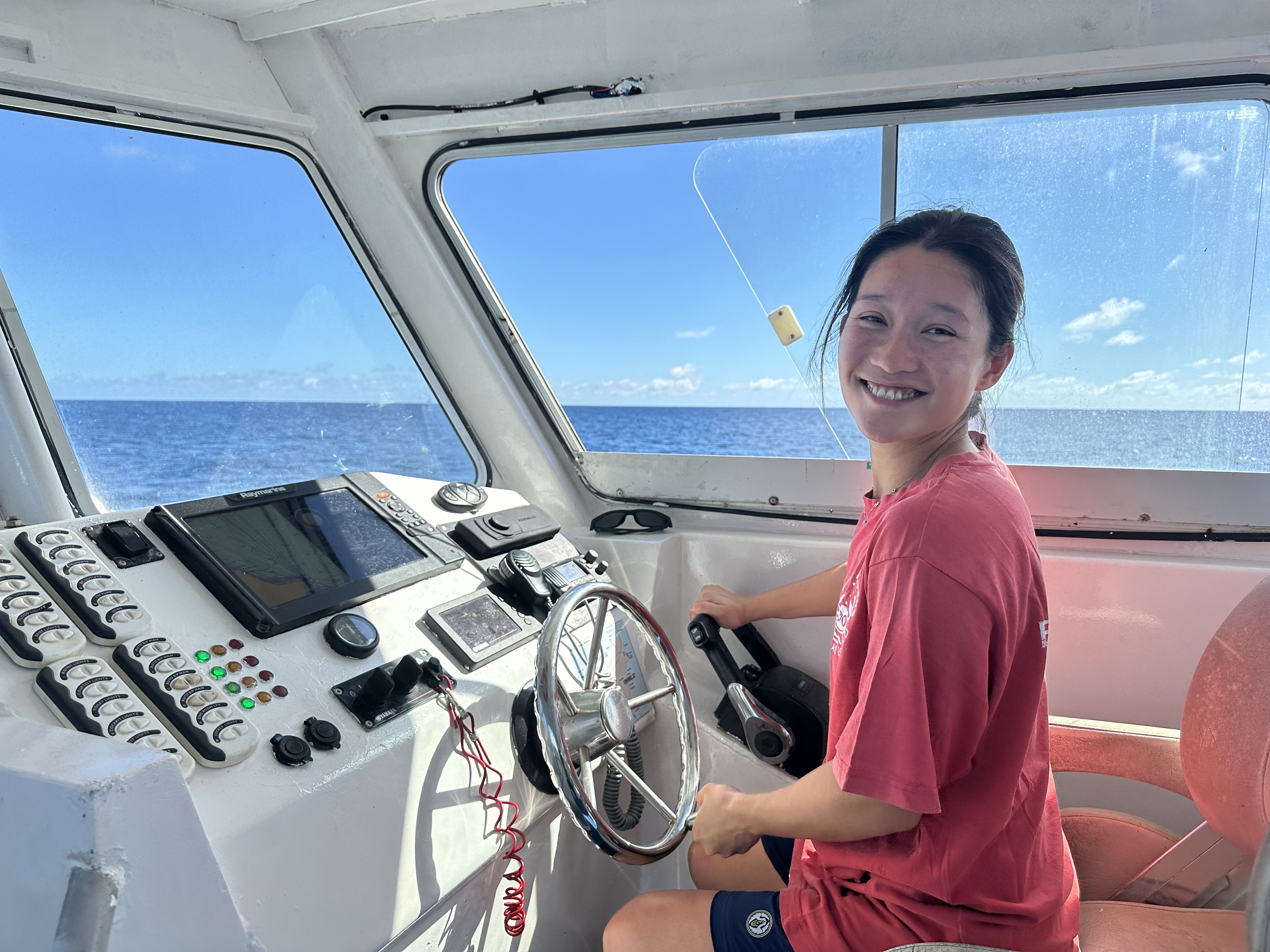
The wet season can bring stronger swell and changing sea conditions, which means our dive boat Nemo may not always be able to come directly alongside the jetty. In these situations, we may swim a short distance from the jetty to reach the boat, often through one of the island’s best snorkel sites. Be prepared to get wet — it’s all part of the adventure. Our instructors always assess conditions carefully and provide a thorough briefing before entering the water to ensure everyone’s safety and comfort.
Seeing the Crabs From the Boat
While sightings are never guaranteed, our instructors have been lucky to witness incredible views of the red crab migration from Nemo, particularly along the island’s dramatic cliff faces. At times, guests may be able to observe the crabs directly from the boat, or even snorkel along the cliff face during the surface interval, offering a rare and unique perspective of this natural event from the water.
A tip from our instructors: keep an eye on the cliff faces. If you spot flashes of red against the rock, chances are you’re witnessing crab movement making its way toward the sea.
Non-Divers Welcome on the Boat
If you don’t dive but still want to witness the red crab migration from the boat, we can often accommodate snorkelers or observers. Simply have a chat with us before your trip, and we’ll see if the conditions allow for a safe and comfortable experience.
Please note that this depends on the dive sites and sea conditions, as some locations may not be suitable for non-divers on the boat. We also recommend bringing seasick tablets, just in case, to ensure your experience is enjoyable.
Will You See Dead Crabs Underwater?
Yes — and this is a natural part of the migration.
As Christmas Island red crabs are land crabs that breathe air, some may end up in the water during migration and won’t survive for long. It’s normal to see some dead crabs on the seabed during your dive. This is part of the natural life cycle of the species and gives divers a deeper understanding of the migration’s scale and challenges.
Higher Chances of Seeing Whale Sharks
Christmas Island occasionally offers the once-in-a-lifetime opportunity to see whale sharks. These gentle giants feed exclusively on plankton and are drawn to the island during the annual red crab spawning, when billions of larvae are released into the water.
Whale shark sightings are more likely during the wet season, but it’s important to note that we do not follow or interfere with them. Sightings are entirely natural and spontaneous, allowing you to witness these magnificent animals in their true, wild environment.
Planning Your Visit?
Wondering when is the best time to visit Christmas Island for diving and the red crab migration? Give us a call! Our team will be happy to help you plan your trip, answer your questions, and share insider tips to make your visit unforgettable.


Comments